Out Alone This Summer? A Personal Safety Plan for Travel, Events, and Everyday Errands
Key Takeaways
- The simplest way to stay safer when you are out alone this summer is to set up a fast, discreet way to call for help before you need it: a wearable panic button that summons help and shares your location without you having to dig out and unlock your phone.
- Most personal-safety wins are small and boring: share your plans, keep one hand free, and stay aware at transition points like parking lots and rideshare pickups.
- The riskiest moments are usually the in-between ones, walking to the car, waiting for a ride, or heading home after dark, when your phone is in a bag or pocket.
- More time out often means more time alone. AAA projects a record 72.2 million Americans will travel for Independence Day week in 2026, and that is before all the local festivals, concerts, and late nights out.
- This kind of device works through your phone’s signal in everyday places like cities, venues, and neighborhoods. It is a personal-safety tool for where you actually go, not a backcountry gadget.
Summer is when most of us are out the most: traveling, hitting festivals and fireworks, running late-evening errands, and walking to the car or waiting for a rideshare after a long day. A lot of that time, we are on our own. The good news is that a few simple habits, plus a way to call for help that does not require digging out and unlocking your phone, can make solo time feel a lot less vulnerable. This is a practical, no-drama checklist for staying safe and reachable wherever your summer takes you.
Why summer changes the math
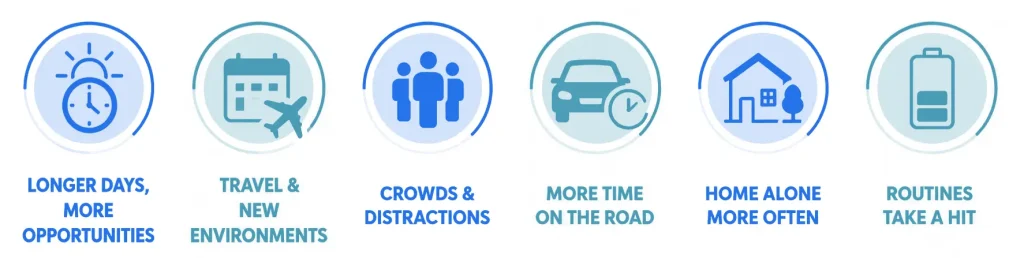
There is nothing dangerous about summer itself. What changes is how much time you spend out, in new places, around bigger crowds, and often by yourself. AAA projects a record 72.2 million Americans will travel at least 50 miles from home over Independence Day week in 2026, most of them by car. Layer on local fireworks, outdoor concerts, farmers markets, and patios that stay busy past dark, and you get a lot more people navigating unfamiliar parking, late-night walks, and crowded events.
More time out is a good thing. It just means a little planning goes further than it does the rest of the year.
A simple safety checklist
You do not need to be on high alert all summer. You need a few defaults that run in the background.
Before you head out
- Tell someone your plan: where you are going and roughly when you will be back. A quick text counts.
- Charge your phone, and bring a battery pack for long days at events or theme parks.
- If you are traveling somewhere new, glance at the map ahead of time so you are not standing on a corner staring at your screen.
While you are out
- Keep one hand free. Juggling bags, a drink, and a phone makes you slower to react and easier to distract.
- At events, pick a clear meetup spot with whoever you came with, in case you get separated and signal is spotty in a crowd.
- Trust the small voice. If a situation feels off, you are allowed to leave, change seats, or step into a busy store. You owe no one an explanation.
Getting back to your car or ride
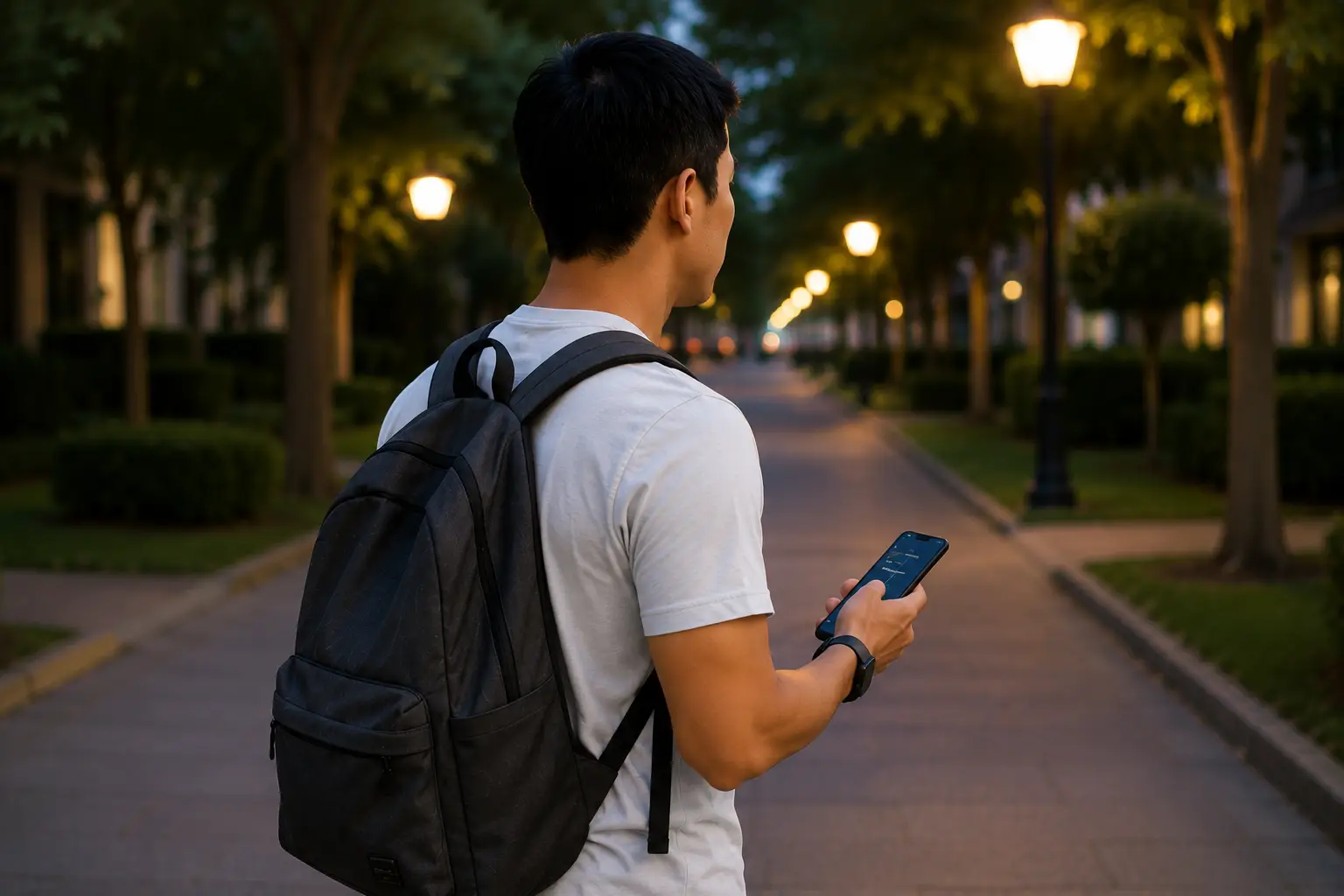
- This is the moment most people drop their guard. Have your keys or rideshare details ready before you start walking.
- Confirm the license plate and the driver before you get in, and share your trip status with a friend.
- If you are walking, stick to lit, populated routes even if they are a little longer.
None of this is about living scared. It is about making the boring, in-between moments a little safer so the fun parts stay fun.
Where a personal safety device fits
Here is the gap even a good checklist leaves: the moment something actually happens, your phone is usually the slowest tool you own. It is in a bag or a back pocket, it needs unlocking, and then you have to find the right app or dial. That is a lot of steps when you would rather have both hands and your attention on getting to safety.
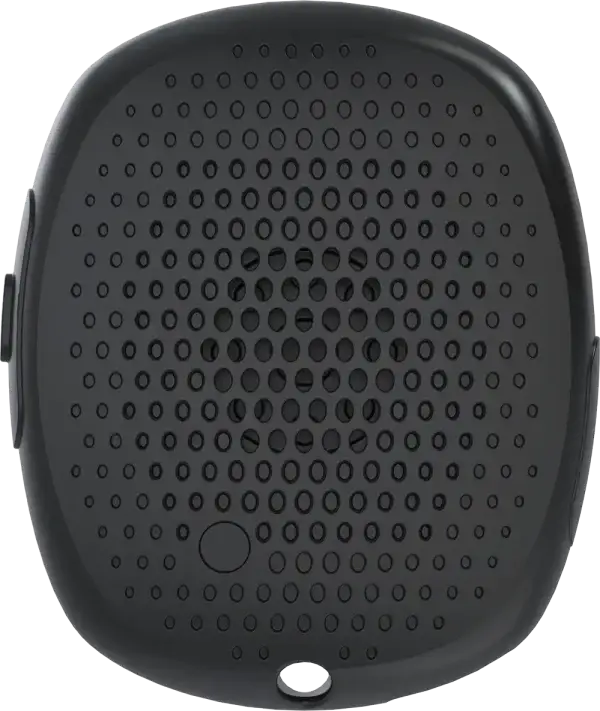
That is the whole idea behind the Silent Beacon 2.0 panic button. It is a small device you wear on a lanyard, clip, or keychain that calls for help fast, so you do not have to dig out or unlock your phone first.
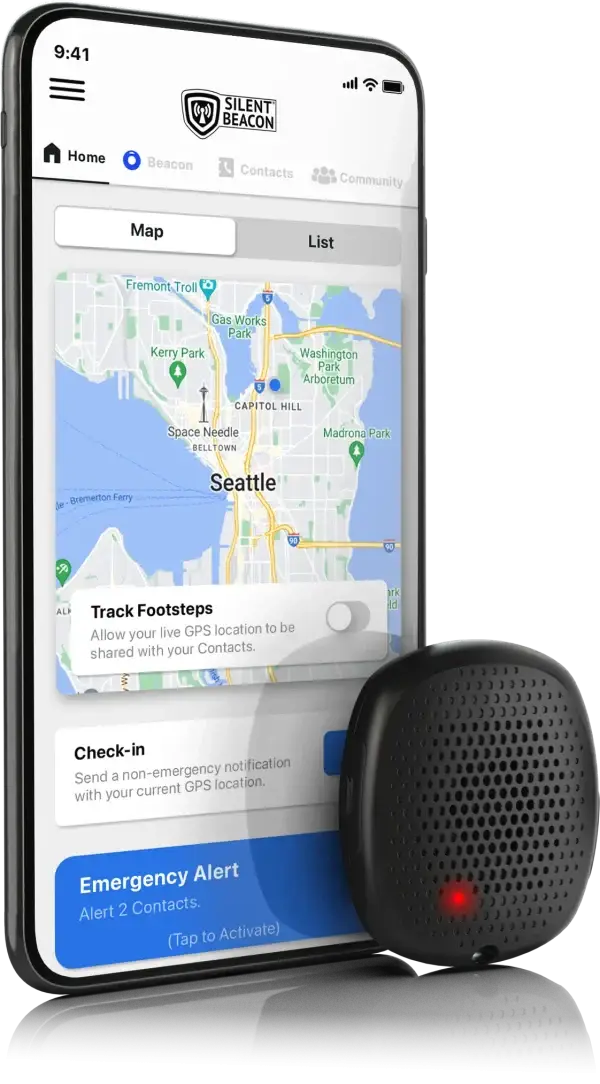
It pairs to your phone over Bluetooth® and uses your phone’s regular cellular or wifi signal, which means it works in the everyday places you actually go: city sidewalks, event venues, parking garages, your neighborhood, a hotel, a rental. It is not a satellite device for the deep backcountry; it is a personal-safety tool for ordinary life.
When you activate it, the Silent Beacon 2.0 can place a call for help while also alerting the people you have chosen, with your location, and you can add 24/7 professional monitoring if you want a real person on the other end.
For a solo traveler, a parent of a teen heading to concerts, a late-shift worker walking to the car, or anyone who just likes the reassurance, it turns “I hope I could get to my phone in time” into help that is already within reach.
Frequently Asked Questions.
Do I really need a separate device if I have my phone?
Your phone is great, until the exact moment you need it fast. A wearable panic button removes the find-it, unlock-it, open-the-app steps so you can call for help instantly while keeping your hands and attention free. Think of it as making your phone faster to reach, not replacing it.
Does it work when I travel?
It works anywhere your paired phone has normal cellular or wifi signal, which covers the cities, venues, hotels, and neighborhoods where most travel happens. It is not built for genuinely off-grid places with no coverage, so it is a great everyday and travel companion rather than a wilderness tool.
Is it obvious or bulky?
No. It is a small button you can wear discreetly on a lanyard, clip it to a bag, or keep on a keychain, so it blends into what you already carry.
Can my family use it too?
Yes. A lot of people set it up for themselves and for family members like a teen heading to summer events or an older parent who is out and about, so everyone has a simple way to call for help.
Be Ready When Seconds Matter
Whether you’re traveling solo, working remotely, or spending time outdoors, Silent Beacon helps you call for help, share your location, and alert your trusted contacts with the press of a button.